 1300 271 824



Blog

Cancer and disability in Australia: why the outcomes are worse, and what actually causes it There is a number that... Read More about Cancer and Disability in Australia: Why Outcomes Are Worse

Cancer screening when you have a disability: how to actually get the three tests done Australia has three national cancer... Read More about Cancer Screening With a Disability: A Practical Guide

Cervical screening and disability: self-collection, consent, and the assumption that stops the test Of the three national cancer screening programmes,... Read More about Cervical Screening and Disability: Self-Collection and Consent

The annual health assessment: the one appointment that catches what everything else misses There is a Medicare item that funds... Read More about Diagnostic Overshadowing: Cancer Symptoms Blamed on the Disability

The annual health assessment: the one appointment that catches what everything else misses There is a Medicare item that funds... Read More about The Annual Health Assessment: MBS Item 707 and the CHAP

Cancer and the NDIS: where the line actually sits The short answer is that the NDIS does not fund cancer... Read More about Cancer and the NDIS: What It Funds and What It Doesn’t
Breast and bowel screening with a disability: positioning, poo samples and the colonoscopy problem Two of Australia's three national cancer... Read More about Breast and Bowel Screening With a Disability

When an NDIS participant is diagnosed with cancer: the first month, and what falls over Cancer Council Australia's policy material... Read More about When an NDIS Participant Is Diagnosed With Cancer
Permanent impairment after cancer treatment: the NDIS pathway nobody tells you about A woman finishes treatment for ovarian cancer. She... Read More about Permanent Impairment After Cancer Treatment

Brain tumours and the NDIS: Parkinson's is on the list, brain tumours are not The NDIS publishes List B: conditions... Read More about Brain Tumours and the NDIS: Access, Evidence and the List Gap

Consent, capacity and communication in cancer care: who decides, and who gets told Cancer decisions are different from most medical... Read More about Consent, Capacity and Communication in Cancer Care

Supporting someone through cancer treatment: a guide for support workers and family carers You are not a nurse. You are... Read More about Supporting Someone Through Cancer Treatment: A Worker Guide

Palliative care and the disability boundary: the gap that sends people to hospital to die In April 2024, Palliative Care... Read More about Palliative Care and Disability: The Boundary Problem
Autonomic dysreflexia: why a normal blood pressure reading can be an emergency Here is the thing that gets people killed.... Read More about Autonomic Dysreflexia: Why a Normal Blood Pressure Can Be an Emergency

Spinal cord injury explained: levels, completeness, and why most injuries are not what people picture Ask somebody to picture a... Read More about Spinal Cord Injury Explained: Levels, Completeness and the Data

Neurogenic bladder after spinal cord injury: the kidneys used to be what killed people A 70-year British study published in... Read More about Neurogenic Bladder: The Kidneys Used To Be What Killed People

Neurogenic bowel after spinal cord injury: the hour that decides the day Ask somebody with a spinal cord injury what... Read More about Neurogenic Bowel: The Hour That Decides the Day

Pain and spasticity after spinal cord injury: 70 per cent have it, and it gets dismissed as impossible "But you... Read More about Pain and Spasticity: 70 Per Cent Have It, and It Gets Dismissed

Pressure injuries after spinal cord injury: thirty times the death rate, and the surface nobody checks The 70-year British study... Read More about Pressure Injuries: Thirty Times the Death Rate

Spinal cord injury and the NDIS: List A covers the minority of injuries The NDIS publishes a list of conditions... Read More about Spinal Cord Injury and the NDIS: List A Covers the Minority

Breathing with a high cervical injury: the problem is the cough, not the breath The 70-year British study of mortality... Read More about Breathing and Cough After a High Cervical Injury

Ageing with a spinal cord injury: the first generation to do it is doing it now Before the Second World... Read More about Ageing With a Spinal Cord Injury: What Changes After 20 Years

Sex, fertility and relationships after spinal cord injury: the subject rehab skips Rehabilitation after a spinal cord injury covers bladder,... Read More about Sex, Fertility and Relationships: The Subject Rehab Skips

Wheelchairs, transfers and shoulders: protecting the joints that everything depends on The shoulder is a shallow, mobile, inherently unstable joint.... Read More about Wheelchairs, Transfers and Protecting Your Shoulders

Driving, work and getting your life back after a spinal cord injury In the AlphaBeta report prepared for SpinalCure Australia... Read More about Driving, Work and Vehicle Modifications

Getting home after a spinal cord injury: housing, modifications and the aged care trap Australia set three targets for getting... Read More about Housing After Spinal Cord Injury: SDA, Mods and the Aged Care Trap

Doing it yourself: adapting diabetes self-management for vision, dexterity and memory Diabetes self-management asks a person to read small numbers... Read More about Self-Management Aids for Vision, Dexterity and Memory
Antipsychotics, diabetes and the monitoring nobody does: glucose was checked in 12.9 per cent An Australian study used the MedicineInsight... Read More about Antipsychotics, Diabetes and the Monitoring Nobody Does

Sick days and emergencies: the instinct to stop the insulin is the one that kills people A person with type... Read More about Sick Days, Ketoacidosis and Emergencies

Continuous glucose monitoring as a safeguard: the alarm does the job the person cannot Hypoglycaemia has one early warning system... Read More about Continuous Glucose Monitoring as a Safeguard

Permanent impairment from diabetes: the NDIS pathway nobody mentions in a diabetes clinic A man in his late fifties has... Read More about Permanent Impairment From Diabetes: The NDIS Pathway
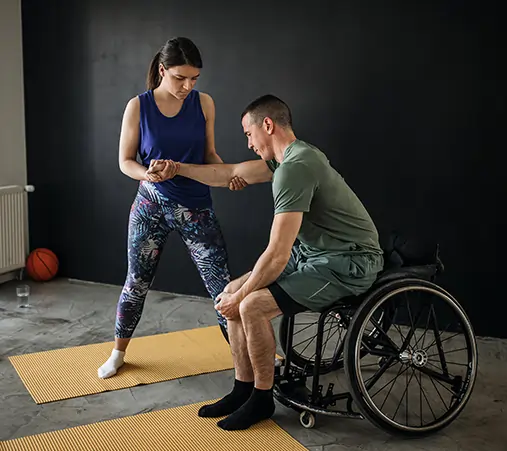
Insulin and support workers: what is allowed, what goes wrong, and how to check a provider Insulin is one of... Read More about Insulin and Support Workers: What Is Allowed and What Goes Wrong
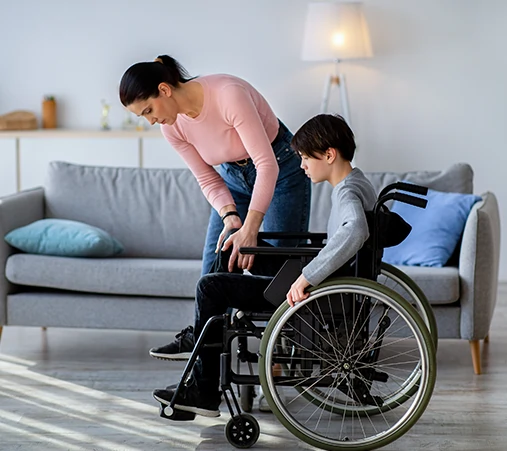
Diabetes and intellectual disability: consent, four finger pricks a day, and who comes to the appointment Diabetes is the most... Read More about Diabetes and Intellectual Disability: Consent and Education

Diabetes alongside specific disabilities: where the two conditions interfere with each other Generic diabetes advice assumes a generic body. Put... Read More about Diabetes Alongside Specific Disabilities

Diabetes and the NDIS: the boundary, the three scenarios, and the timetable problem The short version: the NDIS does not... Read More about Diabetes and the NDIS: The Boundary and the Timetable Problem

Diabetes and disability in Australia: two and a half times the risk, a fraction of the monitoring Two findings, side... Read More about Diabetes and Disability in Australia: The Risk and the Monitoring Gap

Hypoglycaemia when the person cannot tell you: test first, then think Hypoglycaemia has a warning system, and the warning system... Read More about Hypoglycaemia When the Person Cannot Tell You

Feet, ulcers and amputation: Australia has the second-highest rate in the OECD Diabetes Feet Australia states two things about this... Read More about Feet, Ulcers and Amputation: Second-Highest in the OECD

Locking the fridge: diabetes, food and the restrictive practice nobody authorises The NDIS Quality and Safeguards Commission's Regulated Restrictive Practices... Read More about Locking the Fridge: Food, Choice and Restrictive Practice

Pain in somebody who cannot tell you: the myth, the tools, and the baseline nobody writes down Let us start... Read More about Pain in Somebody Who Cannot Tell You

Voluntary assisted dying in NSW: the law, the numbers, and who it categorically excludes Voluntary assisted dying became available in... Read More about Voluntary Assisted Dying in NSW: The Law and Who It Excludes

Advance care planning in NSW: the directive most people cannot make, and the plan they can NSW Health's own guidance... Read More about Advance Care Planning in NSW: Directives, Guardians and Plans

Getting palliative care: who refers, what the service actually does, and the one question that matters most Ask a family... Read More about Getting a Referral: Who Refers and What the Service Does

Recognising that somebody is dying: the question that changes everything The Australian Institute of Health and Welfare examined where people... Read More about Recognising That Somebody Is Dying

"I don't think she'll understand": grief, intellectual disability, and the exclusion that makes it worse There is a contradiction at... Read More about Grief and Intellectual Disability: Telling, Funerals, Support

The last hours, the death itself, and the first two days: what to do and what not to Here is... Read More about The Last Hours, the Death, and the First Two Days
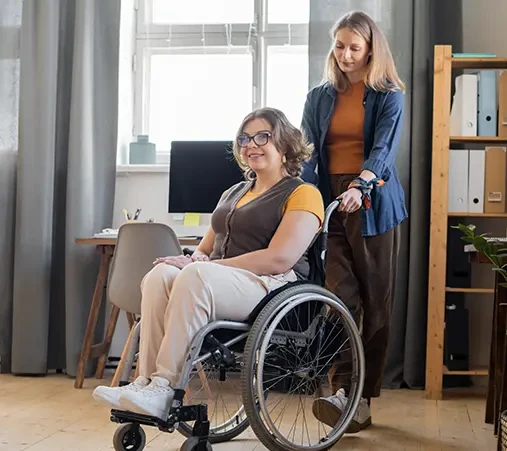
Symptoms at the end of life: anticipatory medications, the fan, and the mouth care nobody does Most of what makes... Read More about Symptoms at the End of Life: What Helps and Who Can Do It

When the carer is the one who is dying: the plan nobody makes A woman is 82. She has terminal... Read More about When the Carer Is the One Who Is Dying

After the death: the housemates, the workers, and the room nobody should clear When somebody dies in supported accommodation, the... Read More about After the Death: Housemates, Workers and the Room

Dying in a group home: whether the house can do it, and what it takes A woman has lived in... Read More about Dying in a Group Home: Can the House Actually Do It?

Eating and drinking at the end of life: the hardest conversation, and what the evidence actually says Of everything that... Read More about Eating, Drinking and Tube Feeding at the End of Life

Children with life-limiting conditions: parallel planning, the fourth category, and the siblings nobody asks about Paediatric palliative care is not... Read More about Children With Life-Limiting Conditions

Functional and dissociative seizures: one in five referrals Epilepsy Action Australia's own fact sheet contains a figure that should reshape... Read More about Functional and Dissociative Seizures Explained

Mental health and memory in epilepsy: the part that is not the seizures For a lot of people with epilepsy,... Read More about Mental Health and Memory in Epilepsy

Epilepsy medications: why the right drug depends on the seizure type Between 60 and 70 per cent of Australians with... Read More about Epilepsy Medications: Choosing, Taking and Living With Them

Epilepsy surgery and the other options when medication fails There is a treatment in epilepsy that can stop seizures permanently,... Read More about Epilepsy Surgery and Other Options When Medication Fails

Drug-resistant epilepsy: the sentence that should change your care There is a definition in epilepsy that functions like a switch,... Read More about Drug-Resistant Epilepsy in Australia: What to Ask For

What is epilepsy? An Australian guide Epilepsy is the second most burdensome neurological condition in Australia, after dementia. It accounts... Read More about What Is Epilepsy? An Australian Guide

Epilepsy and the NDIS: the hardest access request to make, and the words that win it Epilepsy is the hardest... Read More about Epilepsy and the NDIS: Access, Evidence and Episodic Impairment

Seizure types explained: what you are actually looking at Most people can recognise one seizure type. It is the tonic-clonic... Read More about Seizure Types Explained: Focal, Generalised and the Rest

SUDEP: the risk most Australians with epilepsy are never told about There is a conversation that should happen after an... Read More about SUDEP: Sudden Unexpected Death in Epilepsy Explained

Epilepsy and intellectual disability: one in four, and the hardest to diagnose Roughly one in four people with a cognitive... Read More about Epilepsy and Intellectual Disability: An Australian Guide

Women and epilepsy: valproate, contraception and the Australian decision not to follow Britain In 2024 the United Kingdom tightened its... Read More about Women and Epilepsy: Valproate, Contraception and Pregnancy

Driving, work and independence with epilepsy Ask people with epilepsy what the condition actually took from them and most will... Read More about Epilepsy and Driving, Work and Independence in Australia

Getting an epilepsy diagnosis: why a normal EEG proves nothing There is a sentence that causes more confusion in epilepsy... Read More about Getting an Epilepsy Diagnosis in Australia

Supporting someone with muscular dystrophy: a guide for support workers Five things will make you considerably better at this than... Read More about Supporting Someone With Muscular Dystrophy: A Support Worker Guide
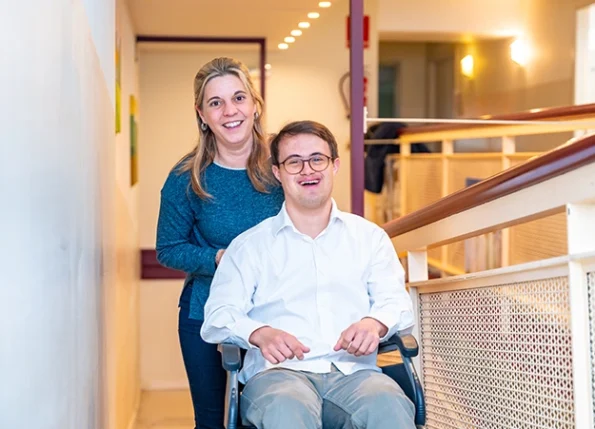
The heart and muscular dystrophy: the organ that decides the outcome The heart is a muscle, and in most of... Read More about The Heart and Muscular Dystrophy: Surveillance and Treatment
Supported independent living with muscular dystrophy There is an assumption running through Australian muscular dystrophy care that almost nobody states... Read More about Supported Independent Living With Muscular Dystrophy

Equipment and home modifications with muscular dystrophy Equipment in muscular dystrophy has one governing principle and everything else follows from... Read More about Equipment and Home Modifications With Muscular Dystrophy

Muscular dystrophy and the NDIS: List B, and the plan that has to last thirty years Muscular dystrophy ought to... Read More about Muscular Dystrophy and the NDIS: Access and Planning
What is muscular dystrophy? An Australian guide Ask most Australians what muscular dystrophy is and they will describe Duchenne —... Read More about What Is Muscular Dystrophy? An Australian Guide

Myotonic dystrophy: the most common adult muscular dystrophy, and the least understood If you take one thing from this guide,... Read More about Myotonic Dystrophy: An Australian Guide to DM1 and DM2

Steroids, bones and scoliosis: the trade-off at the centre of Duchenne care Corticosteroids are the most effective treatment available in... Read More about Corticosteroids, Bone Health and Scoliosis in Muscular Dystrophy

Families, carriers and genetics: the relatives nobody follows up In the Australian study that established the incidence of Duchenne muscular... Read More about Muscular Dystrophy Genetics, Carriers and Family Testing

Breathing and muscular dystrophy: the numbers that trigger action Respiratory management is where muscular dystrophy care has changed most, and... Read More about Breathing and Muscular Dystrophy: Ventilation and Cough Assist

Duchenne into adulthood: the generation the system did not plan for When Monash University summarised its own researchers' findings on... Read More about Duchenne Into Adulthood: Transition and Adult Care in Australia

Becker, limb-girdle and FSHD: the adult muscular dystrophies nobody writes about Almost all public attention on muscular dystrophy goes to... Read More about Becker, Limb-Girdle and FSHD Muscular Dystrophy Explained

Duchenne muscular dystrophy: the three years before anybody tests In the Australian study that established how common Duchenne muscular dystrophy... Read More about Duchenne Muscular Dystrophy: An Australian Guide
Supporting someone after a stroke: a practical guide for support workers Stroke support has one feature that makes it different... Read More about Supporting Someone After a Stroke: A Practical Guide for Support Workers

Fatigue, mood and the invisible changes after stroke Six months after a stroke, a man is walking again, driving again,... Read More about Fatigue, Mood and the Invisible Changes After Stroke

Cognition and neglect after stroke: the deficits that don't show A woman is discharged home after a right hemisphere stroke.... Read More about Cognition and Neglect After Stroke: The Deficits That Don’t Show

The first year after stroke: what recovery should actually look like About half of Australian stroke survivors report feeling overwhelmed... Read More about The First Year After Stroke: What Recovery Should Actually Look Like

Stroke and the NDIS: the timing trap, and the List A route most people miss Stroke presents the NDIS with... Read More about Stroke and the NDIS: The Timing Trap, and the List A Route Most People Miss

Swallowing, nutrition and continence after stroke The first thing a hospital does after a stroke, before anybody gets a cup... Read More about Swallowing, Nutrition and Continence After Stroke

Equipment, home modifications and one-handed living after stroke The difference between a stroke survivor who manages at home and one... Read More about Equipment, Home Modifications and One-Handed Living After Stroke

What is a stroke? An Australian guide Someone in Australia has a stroke every nineteen minutes. That figure comes from... Read More about What Is a Stroke? An Australian Guide

Aphasia after stroke: the disability that hides the person The cruellest thing about aphasia is that it looks like something... Read More about Aphasia After Stroke: The Disability That Hides the Person

Driving, work and getting your life back after stroke Two questions dominate the months after a stroke for anyone under... Read More about Driving, Work and Getting Your Life Back After Stroke

Stroke after 65: the NDIS, aged care and the boundary nobody explains Two people have the same stroke, with the... Read More about Stroke After 65: The NDIS, Aged Care and the Boundary Nobody Explains

Hemiplegia, spasticity and the affected arm after stroke Walking usually comes back further than the arm does. That is the... Read More about Hemiplegia, Spasticity and the Affected Arm After Stroke
Supporting someone with Huntington's: a guide for support workers If you are about to start supporting somebody with Huntington's disease,... Read More about Supporting Someone With Huntington’s: A Guide for Support Workers

Predictive testing for Huntington's: the decision, and the law that just changed Roughly 9,000 Australians have a parent with Huntington's... Read More about Predictive Testing for Huntington’s Disease in Australia

Eating, weight and swallowing in Huntington's: why calories are clinical In most conditions, nutrition advice is about eating less of... Read More about Eating, Weight and Swallowing in Huntington’s Disease

Huntington's disease and the NDIS: evidencing three conditions at once At the end of December 2019, a Freedom of Information... Read More about Huntington’s Disease and the NDIS: Access and Planning

Cognitive change in Huntington's: why it is not a memory problem A woman with Huntington's disease sits a brief cognitive... Read More about Cognitive Change in Huntington’s Disease

Huntington's genetics and the 50 per cent: CAG repeats explained Huntington's disease is caused by one fault in one gene,... Read More about Huntington’s Genetics and the 50 Per Cent: CAG Repeats Explained

Supported independent living with Huntington's: the hardest housing problem in Australian disability Across Australia in 2019, 331 people with Huntington's... Read More about Supported Independent Living With Huntington’s Disease

Families and children: Huntington's in more than one generation at once Huntington's disease does something no other illness does. Lenni... Read More about Families and Children: Living With Huntington’s Disease

Juvenile Huntington's disease: when it starts before twenty Juvenile Huntington's disease — onset before the age of 20 — is... Read More about Juvenile Huntington’s Disease: An Australian Guide

Behaviour and mental health in Huntington's: the part that breaks everything Ask families what the hardest part of Huntington's disease... Read More about Behaviour and Mental Health in Huntington’s Disease

Movement and chorea in Huntington's: falls, equipment and the treatment trade-off Chorea is the thing everybody associates with Huntington's disease,... Read More about Movement and Chorea in Huntington’s Disease

What is Huntington's disease? An Australian guide In 1842 a woman from Somerset, in the west of England, arrived in... Read More about What Is Huntington’s Disease? An Australian Guide

Getting a Huntington's diagnosis: the years before anybody says the word Huntington's disease should be one of the easiest diagnoses... Read More about Getting a Huntington’s Disease Diagnosis in Australia

Getting an MND diagnosis: thirteen months, and how to shorten them The average Australian with motor neurone disease spends 13... Read More about Getting an MND Diagnosis: The Pathway and What to Insist On

Eating, swallowing and PEG feeding with MND There is a decision in motor neurone disease that almost everybody leaves too... Read More about Eating, Swallowing and PEG Feeding With MND

MND over 65: the age bar, and the $194,000 difference it makes Here is the arithmetic that governs Australian motor... Read More about MND Over 65: The Age Bar and the $194,000 It Costs

Breathing and MND: the treatment that works, and who misses out The diaphragm is a muscle. In motor neurone disease... Read More about Breathing and MND: Non-Invasive Ventilation and Cough Assist

Motor neurone disease and the NDIS: List B, priority access and the race against the clock There is a sentence... Read More about Motor Neurone Disease and the NDIS: List B and Priority Access
What is motor neurone disease? An Australian guide Two Australians are diagnosed with motor neurone disease every day. Two die... Read More about What Is Motor Neurone Disease? An Australian Guide

Communication and voice banking with MND: the thing you cannot do later About 80 per cent of people living with... Read More about Communication and Voice Banking With MND

Equipment and home modifications with MND: when the process is slower than the disease Most disability equipment processes in Australia... Read More about Equipment and Home Modifications With MND

Supporting someone with MND: a guide for support workers If you are about to start supporting somebody with motor neurone... Read More about Supporting Someone With MND: A Guide for Support Workers
Cognitive and behaviour change in MND: the half nobody mentions For most of the twentieth century, motor neurone disease was... Read More about Cognitive and Behaviour Change in MND and MND/FTD

Planning ahead with MND: the documents, the money and the conversations MND Australia's 2025 report makes a recommendation that sounds... Read More about Planning Ahead With MND: Documents, Money and Decisions

Supported independent living and 24-hour support with MND Most people with motor neurone disease want to stay at home, and... Read More about Supported independent living and 24-hour support with MND

Families and carers: MND at home MND Australia's 2025 report put a number on something families already knew. Unpaid carers... Read More about Families and Carers: Living With MND at Home

Dementia and the NDIS: access, evidence and the progressive-condition problem The NDIS was built for conditions that are stable. Not... Read More about Dementia and the NDIS: Access, Evidence and the Progressive-Condition Problem

Housing and supported independent living with younger onset dementia A physically fit 56-year-old man with frontotemporal dementia needs supervision, not... Read More about Housing and Supported Independent Living With Younger Onset Dementia

Driving, work and money with younger onset dementia There is a window after a dementia diagnosis in which the person... Read More about Driving, Work and Money With Younger Onset Dementia

Younger onset dementia: 29,000 Australians between two systems A 54-year-old project manager starts making errors at work. He is short... Read More about Younger onset dementia: 29,000 Australians between two systems
What is dementia? An Australian guide Dementia is now the leading cause of death for Australians. That sentence stops people,... Read More about What Is Dementia? An Australian Guide

Communicating with someone who has dementia A woman with dementia asks where her mother is. Her mother died in 1987.... Read More about Communicating With Someone Who Has Dementia

Changed behaviour and dementia: what it means and what to do A man with dementia becomes agitated every afternoon around... Read More about Changed Behaviour and Dementia: What It Means and What to Do
Getting a dementia diagnosis: the pathway and what to insist on The average delay in diagnosing younger onset dementia in... Read More about Getting a Dementia Diagnosis: The Pathway and What to Insist On

Supporting someone with dementia: a guide for support workers Most dementia training for support workers covers the types of dementia... Read More about Supporting Someone With Dementia: A Guide for Support Workers

Dementia, the NDIS and aged care: which system, and what each one gives you Two people are diagnosed with Alzheimer's... Read More about Dementia, the NDIS and Aged Care: Which System, and What Each One Gives You

Families, partners and children: younger onset dementia at home An estimated 1.7 million Australians are involved in caring for someone... Read More about Families, Partners and Children: Younger Onset Dementia at Home

Frontotemporal dementia: the one that looks like something else A woman of 57 stops doing things. She sits. She watches... Read More about Frontotemporal Dementia: The One That Looks Like Something Else
Supporting someone with MS: a practical guide for support workers Most MS induction material explains demyelination and then stops. That... Read More about Supporting Someone with MS: A Practical Guide for Support Workers

Cognitive change in MS: what "cog fog" actually is Of all the symptoms of multiple sclerosis, cognitive change is the... Read More about Cognitive Change in MS: What “Cog Fog” Actually Is

What is multiple sclerosis? An Australian guide Multiple sclerosis is the most common chronic neurological disease of young adults in... Read More about What Is Multiple Sclerosis? An Australian Guide

Work and income with MS: the numbers, and the decisions Multiple sclerosis is diagnosed on average between 20 and 40,... Read More about Work and Income with MS: The Numbers, and the Decisions

Supported independent living with progressive MS Most people with multiple sclerosis never need supported independent living. That should be said... Read More about Supported independent living with progressive MS

Disease-modifying therapies for MS: what they do, and what they don't The single most consequential decision in multiple sclerosis is... Read More about Disease-Modifying Therapies for MS: What They Do, and What They Don’t

The EDSS explained: what your MS score means, and what it leaves out If you have been to an MS... Read More about The EDSS Explained: What Your MS Score Means, and What It Leaves Out

MS and the NDIS: how a fluctuating condition meets a permanence test The NDIS is built on a word that... Read More about MS and the NDIS: How a Fluctuating Condition Meets a Permanence Test

MS fatigue: the symptom that runs everything else Ask a room of people with multiple sclerosis which symptom they would... Read More about MS Fatigue: The Symptom That Runs Everything Else

Mobility, equipment and home modifications with MS There is a pattern in MS equipment that costs people years of unnecessary... Read More about Mobility, Equipment and Home Modifications with MS

This is the part of the plan that pays for having a life, and it is the part most often... Read More about Using Your Funding for Social and Community Participation

Of all the professions in the NDIS, occupational therapy is the one people most often find themselves using without quite... Read More about What Does an Occupational Therapist Do?

Most participants never open the pricing document, and that is a defensible choice — the current edition runs to a... Read More about NDIS Price Limits and How They Affect Your Supports

The letter usually arrives without warning, and it is short. A paragraph confirming the decision, a reference to a section... Read More about Not Eligible for the NDIS? What Your Options Are
Heat sensitivity and MS: getting through an Australian summer Multiple sclerosis is a disease of the temperate world. The latitude... Read More about Heat Sensitivity and MS: Getting Through an Australian Summer

Bladder, bowel and continence in MS: the symptoms nobody mentions In early 2026, MS Australia surveyed 939 people about their... Read More about Bladder, Bowel and Continence in MS: The Symptoms Nobody Mentions
Cognition and memory after brain injury: what actually helps A man three years after a severe traumatic brain injury can... Read More about Cognition and Memory After Brain Injury: What Actually Helps

Acquired brain injury and the NDIS An NDIS access request for acquired brain injury has a particular shape of difficulty,... Read More about Acquired Brain Injury and the NDIS

What is an acquired brain injury? An Australian guide Acquired brain injury is the most common disability nobody can name.... Read More about What Is an Acquired Brain Injury? An Australian Guide

Supporting someone with a brain injury: a guide for support workers Brain injury support is the hardest shift work in... Read More about Supporting Someone With a Brain Injury: A Guide for Support Workers

Brain injury severity: PTA and GCS explained Somewhere in a hospital file is a number that will shape the next... Read More about Brain Injury Severity: PTA and GCS Explained

Rehabilitation after brain injury: the pathway and what to ask for The most consequential decision in brain injury rehabilitation is... Read More about Rehabilitation After Brain Injury: The Pathway and What to Ask For

Alcohol-related brain injury: the one nobody diagnoses Brain Injury Australia's statistics fact sheet records that 2,714 Australians had been diagnosed... Read More about Alcohol-Related Brain Injury: The One Nobody Diagnoses

Behaviour support and restrictive practices: what the rules actually require If a provider locks the kitchen because someone with a... Read More about Behaviour Support and Restrictive Practices: What the Rules Require

Insight and behaviour after brain injury The effects of a brain injury that end up in medical records are the... Read More about Insight and Behaviour After Brain Injury
Supported independent living with Down syndrome: moving out, and planning for later The most common housing story for an Australian... Read More about Supported Independent Living with Down Syndrome: Moving Out, and Planning for Later

Alzheimer's disease and Down syndrome: what families and providers have to plan for Life expectancy for people with Down syndrome... Read More about Alzheimer’s Disease and Down Syndrome: What Families and Providers Have to Plan For

Sleep apnoea and Down syndrome: the most under-treated problem in Australian disability support If you work in disability support and... Read More about Sleep Apnoea and Down Syndrome: The Most Under-Treated Problem in Australian Disability Support

The Down syndrome health checks nobody tells you about A woman in her late thirties with Down syndrome started sleeping... Read More about The Down Syndrome Health Checks Nobody Tells You About

Down syndrome and the NDIS: why the diagnosis alone is not enough Here is a sentence you will find on... Read More about Down Syndrome and the NDIS: Why the Diagnosis Alone Is Not Enough
What is Down syndrome? A plain-English guide for Australian families There is a particular moment that a lot of Australian... Read More about What Is Down Syndrome? A Plain-English Guide for Australian Families

Communication and Down syndrome: the profile, and what actually helps There is a pattern that almost every family of a... Read More about Communication and Down Syndrome: The Profile, and What Actually Helps

Supporting an adult with Down syndrome: a practical guide for support workers Most induction material about Down syndrome tells you... Read More about Supporting an Adult with Down Syndrome: A Practical Guide for Support Workers

Work and adulthood with Down syndrome in Australia: the numbers, and what to do about them Start with four numbers,... Read More about Work and Adulthood with Down Syndrome in Australia: The Numbers, and What to Do About Them

Down syndrome regression disorder: when a young adult suddenly loses skills A 19-year-old man with Down syndrome finished school in... Read More about Down Syndrome Regression Disorder: When a Young Adult Suddenly Loses Skills

Finding and Keeping Support Workers Who Understand Autism Most writing about support workers is aimed at providers. This is written... Read More about Finding and Keeping Support Workers Who Understand Autism

Supported Independent Living for Autistic Adults Supported independent living was designed around a particular model: a shared house, several residents,... Read More about Supported Independent Living for Autistic Adults

Thriving Kids and Foundational Supports: What Autism Families Need to Know This is the biggest change to autism support in... Read More about Thriving Kids and Foundational Supports: What Autism Families Need to Know

The Role of Occupational Therapy in Autism Occupational therapy is the most commonly funded therapy for autistic NDIS participants, and... Read More about The Role of Occupational Therapy in Autism

Autistic Communication and the Role of Speech Pathology Almost everything written about autism and communication starts from the same premise:... Read More about Autistic Communication and the Role of Speech Pathology

Sensory Processing and Autism-Friendly Environments Sensory differences are part of the diagnostic criteria for autism, and they are frequently the... Read More about Sensory Processing and Autism-Friendly Environments

Understanding Autism: The Spectrum, the Levels and the Diagnosis There are around 290,900 autistic Australians — about 1.1% of the... Read More about Understanding Autism: The Spectrum, the Levels and the Diagnosis

Autism and the NDIS: How Eligibility Is Actually Determined Autism is the largest single reason people are in the NDIS.... Read More about Autism and the NDIS: How Eligibility Is Actually Determined

Autistic Adults: Late Diagnosis, Masking and Burnout Here is a statistic that should be better known. ABS data puts autism... Read More about Autistic Adults: Late Diagnosis, Masking and Burnout
Discharge for an NDIS participant needs two large systems — health and the NDIS — to hand off cleanly. Neither... Read More about Leaving hospital with the NDIS
Search for cerebral palsy information in Australia and you'll find a great deal about children — and then the content... Read More about Cerebral palsy and the NDIS

At some point, usually in a report you half-read years ago, somebody wrote down a Roman numeral next to your... Read More about Beyond GMFCS: The Five Classification Systems and What They Mean for Your Supports

Here's a number that explains a great deal about why this guide exists. Among NDIS participants aged 18 and over... Read More about Moving Out: Supported Independent Living with Cerebral Palsy

Search for cerebral palsy information in Australia and you'll find an enormous amount about children. Early intervention. School. Therapy intensity... Read More about Cerebral Palsy in Adulthood: What Changes, and What Nobody Warns You About
Most writing about cerebral palsy operates at the level of the condition. This guide operates at the level of a... Read More about Daily Living with Cerebral Palsy: Equipment, Personal Care and High Intensity Supports

Ask adults with cerebral palsy about the hardest part of daily life and a surprising number won't say transfers, or... Read More about Communication, AAC and Being Heard as an Adult with Cerebral Palsy

For most of childhood with cerebral palsy, there is a team. A paediatrician who's known the family for a decade.... Read More about From Paediatric to Adult Services: The Cerebral Palsy Transition Nobody Prepares You For

Discharge feels like the finish line. It isn't. It's closer to the starting line of the part that actually determines... Read More about Recovery at Home: Rebuilding Capacity After a Hospital Stay

There's a specific moment families describe, and it usually arrives about a fortnight into an admission. The medical crisis has... Read More about When You Can’t Go Home: MTA, SIL and Interim Options After Hospital

If you asked experienced hospital social workers to name the single thing that keeps people in beds longest, most would... Read More about Equipment, Home Modifications and Assistive Technology Before Discharge

Somewhere around week three of a stuck discharge, a sentence gets said that should worry everyone in the room: "That's... Read More about Who Pays for What: The Health System and NDIS Boundary Explained
Discharge day is the wrong day to discover that the bathroom doorway is four centimetres too narrow. Yet that's roughly... Read More about What to Arrange Before You Leave Hospital: An NDIS Discharge Checklist

There's a particular kind of stuck that families only learn about from the inside. The treating team says the words... Read More about Hospital Discharge and the NDIS: Who Does What, and How Long It Should Take

Of everything covered in this series, this is the area where the gap between good and poor practice does the... Read More about Positive Behaviour Support and Restrictive Practices: What Families Should Know

A pressure injury can start in under two hours and take six months to heal. Some never heal. People die... Read More about Complex Wound and Pressure Care: Prevention Is the Whole Game

Epilepsy is one of the most common conditions among people receiving disability support, and one of the most variably supported.... Read More about Epilepsy and Seizure Support in Supported Living

Twenty-five years ago, a person requiring long-term mechanical ventilation lived in a hospital. Many spent decades there. Today they live... Read More about Tracheostomy and Ventilator Support at Home

Mealtimes are where disability support most often becomes genuinely dangerous, and where it most often becomes joyless. Frequently both at... Read More about Dysphagia and Mealtime Support: Keeping Eating Safe and Still Enjoyable

A catheter is a small tube. The support around it is what determines whether it's a minor fact of someone's... Read More about Urinary Catheter Support at Home: What Good Support Looks Like
This is the support people least want to talk about and most need to get right. Complex bowel care sits... Read More about Complex Bowel Care Support: A Guide for Participants and Families

The first time most families see a PEG tube, it's in a hospital bed, and it looks like an emergency.... Read More about Enteral Feeding Support at Home: A Practical Guide to PEG and Tube Feeding
High intensity support isn't about how many hours someone needs — it's about tasks carrying enough clinical risk that a... Read More about NDIS high intensity supports and high care

There's a moment that happens in a lot of families, and it usually happens in a hospital corridor. Someone you... Read More about High Intensity Daily Personal Activities: What NDIS High Intensity Support Actually Means

Plain-English guides to the home you want and the NDIS funding that makes it possible — Supported Independent Living, Specialist... Read More about NDIS Home and Living Options

Plain-English guides to the scheme itself — who's eligible, how plans are managed, what the budget categories actually fund, and... Read More about Understanding and navigating the NDIS

More than 717,000 Australians held an approved NDIS plan by March 2025, and tens of thousands more join each quarter.... Read More about Who Is Eligible for the NDIS? The Access Requirements, Explained

Here is the uncomfortable truth at the centre of every Home and Living request: the NDIA doesn't fund what you... Read More about How to Describe Your Home and Living Support Needs

You've been approved. A plan arrives. And somewhere inside it are categories called Core, Capacity Building and Capital, with dollar... Read More about Understanding Your NDIS Plan Budgets: Core, Capacity Building and Capital

When families worry about someone moving out, the worry is rarely about funding. It's about safety. Who will notice if... Read More about Safeguards in Independent Living: Beyond Compliance Paperwork

At some point in your first planning meeting, someone will ask how you want your plan managed — and unless... Read More about Self-Managed, Plan-Managed or Agency-Managed? Choosing How to Run Your NDIS Plan

Most people arrive at NDIS home care and living conversations believing there are two options: stay with family, or move... Read More about Individualised Living Options (ILO) Explained: The NDIS Support Nobody Tells You About

One of the challenges for many families raising an adult with disability can be the issue of where they will... Read More about When Is It Time? Signs a Family Should Start the SIL Conversation

It is difficult to imagine what life is like in a Supported Independent Living home if you have not been... Read More about A Day in the Life of a SIL House (Told Honestly)

You can hold a conversation, you can do a job interview, you can even do a university degree, but the... Read More about SIL Isn’t Just for Physical Disability: Supported Living and Psychosocial Needs

There’s one question many families ask after they first hear about Supported Independent Living: “So, who pays for the rent?”... Read More about What SIL Doesn’t Pay For: Rent, Bills and the Budget Nobody Explains

Moving into a shared supported accommodation is always going to be a major decision for an NDIS participant and their... Read More about Shared Supported Accommodation: What Actually Makes a Good Housemate Match?
SIL Transition: A Practical Guide to Moving Into Supported Independent Living If you have reached a point where you cannot... Read More about Moving Out of the Family Home: A Realistic 6–12 Month SIL Timeline

Every day, we meet people who are completely ignorant of supported independent living funding, or individuals with confusing answers. In... Read More about How SIL Funding Actually Works: Rosters of Care, Support, Supported Independent Living Guides for Families

Finding a home for a person to live in is a big decision. Choosing the workers to look after them... Read More about How to Choose a SIL Provider: 12 Questions to Ask Before You Sign Anything

If you are new to the National Disability Insurance Scheme (NDIS), the Home and Living options can be hard to... Read More about SIL, SDA, ILO, STA, MTA: Untangling the NDIS Home and Living Alphabet
If you frequent therapy circles or walk in the halls of a premise where the National Disability Insurance Scheme has... Read More about What Is Supported Independent Living? A Plain-English Guide for Families

It is easy to feel like too many doors are opening simultaneously when it is time to think about where... Read More about SIL vs. Other Living Options: Which Is Best for You?

The words sound straightforward, Disability Group Home, but behind them sits an entire world of practice, change, expectation, and history.... Read More about What Is a Disability Group Home and How Does It Work?

When the phrase Disability Group Home comes up, people usually think in two directions. Some picture safety, routine, and dignity.... Read More about How Safe and Supportive Are Disability Group Homes?

For many people living with disabilities, home is the anchor. It’s familiar, it’s safe, but sometimes it’s also exhausting or... Read More about How Does Short-Term Accommodation Support NDIS Participants?

For many families and people with disability a break can mean more than rest. It can mean stability, safety, renewal.... Read More about How Do You Qualify for NDIS Short-Term Accommodation?

There’s a moment that comes for many families and participants when the question isn’t “where will I live forever” but... Read More about What Is Medium-Term Accommodation and How Does It Work?

The NDIS can feel like a maze when it comes to housing. Too many names that sound alike. Too many... Read More about How Does Medium-Term Accommodation Differ From Short-Term Accommodation Under NDIS?

When a family set about considering a house for a loved-one with a disability it soon becomes apparent that it... Read More about How to Choose the Right Home for a Disabled Family Member?

When families hear the phrase Independent Living it can often cause two very different reactions. Other individuals view it as... Read More about Independent Living: A Lifestyle Upgrade or Just a Support Service?

One of the hardest things for families to picture when they think about Independent Living Support is not just the... Read More about How Does Independent Living Support Improve Social Skills?

As a registered NDIS (National Disability Insurance Scheme) provider, we recognize the significance of understanding complex care needs in delivering... Read More about Comprehending Complex Care Needs within the NDIS: A Comprehensive Guide from an NDIS Provider Perspective

In the realm of disability support services, particularly within the framework of the National Disability Insurance Scheme (NDIS), empathy plays... Read More about The Significance of Empathy in NDIS Support Services

Disability support workers play a vital role in improving the quality of life for individuals with disabilities. Their responsibilities extend... Read More about A Guide to the Responsibilities of Disability Support Workers

The National Disability Insurance Scheme (NDIS) represents a monumental shift in the way support is provided to individuals with disabilities... Read More about The Five Key Advantages of NDIS In-Home Care

When it comes to choosing the right location for Supported Independent Living (SIL), various factors play a significant role in... Read More about Selecting the Ideal SIL Location: The Benefits of Western Sydney

In-home care has become an essential aspect of healthcare and support services, particularly for individuals with disabilities, the elderly, and... Read More about The Ultimate Guide to In-Home Care: A Comprehensive Overview from an NDIS Provider

Geelong, the second-largest city in Victoria, Australia, is renowned for its stunning waterfront, vibrant arts scene, and lush green spaces.... Read More about Top 10 Best Disability-Friendly Locations in Geelong

Wollongong, located just south of Sydney, is renowned for its stunning coastal views, vibrant culture, and welcoming community. The city... Read More about Wollongong’s 10 Most Accessible Locations for People with Disabilities

The Central Coast of New South Wales is renowned for its stunning beaches, picturesque landscapes, and vibrant communities. As a... Read More about Central Coast’s Most Disability-Friendly Spots: Top 10 Choices

The Sunshine Coast, located in Queensland, Australia, is renowned for its stunning beaches, lush hinterlands, and vibrant communities. For individuals... Read More about Sunshine Coast’s Top 10 Most Disability-Friendly Destinations

Newcastle, Australia, is known for its stunning beaches, vibrant culture, and friendly atmosphere. It’s a city that welcomes everyone, including... Read More about Newcastle’s Top 10 Accessible Locations for People of All Abilities

The Gold Coast is a stunning coastal city in Australia, renowned for its golden beaches, vibrant nightlife, and world-class attractions.... Read More about Gold Coast’s Top 10 Accessible Places for Everyone

Canberra, the capital city of Australia, is known for its well-planned layout, beautiful green spaces, and a strong sense of... Read More about Canberra’s 10 Best Accessible Spots for Inclusive Experiences

Adelaide, often referred to as one of Australia's most livable cities, prides itself on being inclusive and accessible to all... Read More about Adelaide’s Top 10 Accessible Destinations for People with Disabilities

Brisbane is a vibrant and welcoming city known for its sunny climate, lush greenery, and friendly locals. For people with... Read More about Top 10 Most Accessible Locations in Brisbane

Melbourne is known for its vibrant culture, world-class infrastructure, and community spirit. For individuals with disabilities or mobility issues, it's... Read More about Top 10 Most Accessible Locations in Melbourne

Sydney is known for its iconic landmarks, beautiful beaches, and vibrant cultural life. For people living with disabilities, finding accessible... Read More about Top 10 Most Accessible Locations in Sydney

Positive Behaviour Support (PBS) is a person-centred approach designed to improve the quality of life and promote positive behavioural changes... Read More about A Comprehensive Guide to Understanding Positive Behaviour Support (PBS)

The National Disability Insurance Scheme (NDIS) was designed to support Australians with disabilities in leading more independent and fulfilling lives.... Read More about A Complete Guide to NDIS Community Participation

Perth, the sun-soaked capital of Western Australia, is a city brimming with natural beauty, cultural landmarks, and a vibrant lifestyle.... Read More about Top 10 Most Accessible Locations in Perth, Western Australia

Townsville, Queensland, is a vibrant coastal city that’s home to stunning beaches, lush parks, and an array of cultural and... Read More about Top 10 Most Accessible and Disability-Friendly Spots in Townsville, Queensland

Caring for someone with a disability is a deeply rewarding experience, but it can also be physically and emotionally demanding.... Read More about Explore the Advantages of NDIS Short-Term Accommodation (STA) and Respite Care

When navigating the National Disability Insurance Scheme (NDIS) in Australia, one of the most crucial steps is finding the right... Read More about How Do I Find a NDIS Provider in Perth?

The National Disability Insurance Scheme (NDIS) is a transformative initiative aimed at providing individuals with disabilities the support they need... Read More about The Benefits of Choosing Local NDIS Service Providers in Perth

Choosing the right registered National Disability Insurance Scheme (NDIS) service provider is a crucial decision for individuals and families navigating... Read More about How to Choose the Right Registered NDIS Service Provider in Sydney

Living with a disability can often present unique challenges, particularly when it comes to social engagement. However, staying socially active... Read More about Tips on staying socially active when living with a disability

Choosing the right Supported Independent Living (SIL) provider in Sydney is a pivotal decision for individuals with disabilities and their... Read More about How to Choose The Right SIL Provider in Sydney

How to Change NDIS Provider? Changing NDIS providers is a significant decision for participants, especially when seeking a better alignment... Read More about How to Change NDIS Providers

Respite care is a vital service that provides temporary relief for primary caregivers by offering short-term support to individuals with... Read More about Respite Care for People with Psychosocial Disabilities

The National Disability Insurance Scheme (NDIS) is a transformative program in Australia, providing crucial support and services to individuals with... Read More about NDIS Accommodation for People with Psychosocial Disabilities

The National Disability Insurance Scheme (NDIS) provides a variety of independent living options to support individuals with disabilities in leading... Read More about What Are the Independent Living Options Available Through The NDIS?

Qualifying for SDA (Specialist Disability Accommodation) under the NDIS (National Disability Insurance Scheme) involves several key steps. First, individuals need... Read More about What are the different types of SDA?

Supported Independent Living (SIL) is one of the many valued services offered by the National Disability Insurance Scheme (NDIS). It... Read More about Supported Independent Living: Answers to Your Questions

Finding the best disability accommodation in Sydney is a comprehensive process that involves various steps and considerations to ensure the... Read More about Discovering the Optimal Disability Accommodation in Sydney

In Supported Independent Living (SIL), a wide range of daily living supports is provided to ensure residents can live as... Read More about What specific daily living supports are provided in Supported Independent Living?



