1300 271 824

SIL Isn’t Just for Physical Disability: Supported Living and Psychosocial Needs
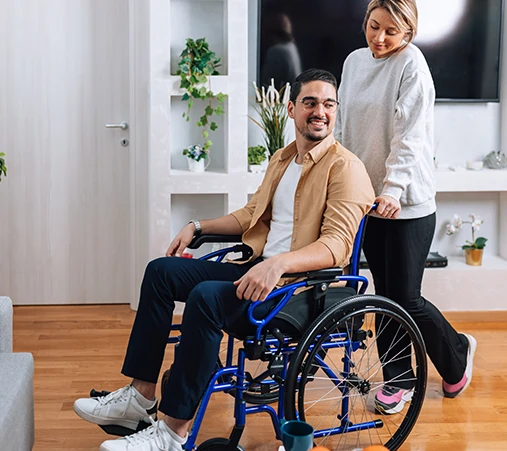
You can hold a conversation, you can do a job interview, you can even do a university degree, but the truth is, there are days when the illness just prevents you from remembering to eat. It’s the gap between what someone can do and what they can manage day to day that SIL is designed to cover — though this isn’t always widely understood.
People with psychosocial disabilities may also need support to manage everyday life. Supported Independent Living is an option some participants may consider, but many people don’t know that SIL can also support people with psychosocial disability.
This article explains what Supported Independent Living is, who it may support, and how it can work for people with psychosocial disability.
What Supported Independent Living Actually Is
Supported Independent Living – SIL – is support provided in a person’s home, so they can live as independently as possible. SIL is a supported housing model. This means it’s about the support given, not a particular property type.
SIL assists people with their daily tasks and day-to-day living in their own home.
Specialist Disability Accommodation, or SDA, refers to the house or apartment itself. SIL can be provided from a purpose-built home, or from a mainstream house, depending on the person’s needs.
Supported Independent Living can include:
•Personal care, such as assistance with showering and/or dressing
•Household tasks, such as cooking, cleaning, washing and ironing
•Managing medications and appointments
•Life skills development
•Emotional support
•Other daily living assistance and personal support services
The types and amount of support vary from person to person, depending on their support needs. SIL is delivered on an individual basis. It focuses on personalised support that responds to a person’s own circumstances.
Who SIL Is For
SIL may be suitable for people whose disability-related support needs mean they require ongoing support with everyday living, either in their own home or in shared accommodation.
This can include people with:
•Intellectual disability
•Physical disability
•Acquired Brain Injury
In addition, some people with psychosocial disabilities can also access SIL.
Psychosocial disability refers to the long-term effects of a mental health condition on a person’s ability to manage everyday life.
Psychosocial disability impacts everyone, regardless of age, gender or culture.
Psychosocial disability can be caused by mental health and other health conditions, and affects an individual’s capacity to function in day-to-day tasks.
The NDIS doesn’t fund treatment for mental health conditions – that’s the job of the health system. But many people with mental health conditions find their daily living skills are affected by their condition. Even with average or above-average intelligence, a person may need support with day-to-day living to function as independently as possible.
That’s when Supported Independent Living may become a useful option for some people.
Living independently, in this case, means being as self-sufficient as possible while getting the support needed because of a disability. This is where the needs of people with psychosocial disability can differ from those with other forms of disability.
People with physical or intellectual disability may have support needs that stay fairly steady. People with psychosocial disability can have good and bad days. Their support needs can change from day to day.
A person may need much more support on some days, and only minimal help on others. This kind of change can be common for people with psychosocial disability. But it can also challenge SIL providers.
A provider that understands psychosocial disability will ideally be upfront about this when discussing what kind of support they can offer.
A provider that doesn’t understand this may plan support around what a resident can do on their ‘good’ days.
This can leave a resident without enough support on ‘bad’ days, when even basic day-to-day tasks may feel out of reach.
Good support needs to find a balance.
What Sort of Support Do You Get in SIL?
The daily support in SIL can take many forms, depending on the resident’s support needs. For SIL residents, there are two general categories of assistance.
Personal Care and Domestic Assistance
Both can vary enormously from resident to resident, depending on their individual support needs.
Personal care could mean help with activities like dressing and showering. Domestic assistance might involve cooking, shopping, washing, and other general house tasks. The overall goal is to support an individual with their desired level of support whilst maximising independence and involvement for the person.
Emotional Support and Life Skills Development
The SIL support worker is not a stand-in for a qualified mental health professional, such as a counsellor or psychiatrist. But they can often give a resident much-needed emotional support within their role.
This matters a lot for residents with psychosocial disability, who may struggle during difficult periods. A good SIL support worker listens closely and helps a resident through their struggles without taking over their decisions.
A big part of the support SIL provides is developing life skills. This can range from teaching a resident to cook simple meals, to helping them manage their money. This helps a resident be as independent as possible — which is an important goal of SIL.
For people with psychosocial disability, this approach is sometimes called Recovery-Oriented Practice. It’s based on the person’s own goals, not just on managing a mental health condition.
It lets a resident decide what they want their life to be like, while managing the challenges associated with their disability.
It also means giving residents more say in their decisions while keeping them safe and well. The support worker is there to help. But in many cases, they can’t think for the resident. The resident needs to build their own coping strategies and life skills, with the right support.
How SIL Works With the NDIS
SIL is generally accessed as part of the participant’s NDIS Plan. SIL funding is generally included under the NDIS home and living supports.
To arrange SIL, a person may need help from a Support Coordinator. They can advise them on their options and help them understand their funding and support arrangements.
Once funding is arranged, SIL is generally provided according to a Roster of Care. This sets out how much support the participant gets each week, and when.
Each NDIS Plan is unique, as are a person’s SIL support needs. It’s best to consult a Support Coordinator when weighing up SIL funding options. That said, the following may help people seeking SIL.
If You Are Considering SIL for the First Time
When considering SIL for the first time, it helps to reach out to providers directly. Ask about available vacancies and general SIL requirements.
Each provider has its own approach, and can advise you on how their SIL options may suit your needs.
You may also ask a provider about their vacancy list and their matching process. Ask them to walk you through how they find a suitable home, and match you with compatible housemates if needed.
Availability in your area affects your options too. SIL vacancies can be limited, and a provider can only take you if a suitable home becomes available.
What to Expect if You Access SIL
The exact offering depends on the provider and a person’s needs. But there are common elements across Supported Independent Living homes.
Many SIL homes house multiple residents, in some form of shared accommodation or shared living arrangements. This usually means residents living together in furnished homes, with shared living spaces and a private room each.
Most of these homes offer shared internal spaces, like living rooms and bathrooms. Some SIL homes also have outdoor amenities, such as a courtyard or garden. These spaces can matter a lot for a resident’s wellbeing.
Because residents live together, it matters that a resident and their housemates get along, at least on a basic level. Finding a good match is an important part of the SIL process.
It’s best to ask a provider to introduce you to potential housemates and talk with them, rather than commit to a home blindly.
SIL providers may offer support across different times of the day, depending on a resident’s needs and their Roster of Care. Some homes have support workers available around the clock; others have support at specific times, including evenings or overnight.
Most SIL homes take a shared approach to chores. Residents may share tasks like cooking, cleaning, shopping and laundry, or have a support worker help them, depending on their needs.
A resident’s day-to-day life depends on their needs and the resources of their SIL home. Along with personal care and domestic assistance, residents may get to engage with the community, take part in meaningful activities and maintain social connections, as far as their needs allow.
This matters a lot for people with psychosocial disability, who may benefit from staying engaged with the world around them.
Some SIL arrangements offer more limited, supportive accommodation than the homes described above. This is often called accommodation-focused support — support care provided as needed, rather than comprehensive personal care.
The Difference Between Living on Your Own and Living in SIL
It’s easy to assume SIL is just like arranging personal assistance. But there are real differences between the two.
Living independently without regular SIL support means a person generally manages their own daily living tasks and support needs.
An SIL resident, meanwhile, has planned support to help with day-to-day living. They may also have a wider support network that includes a Support Coordinator and other support services.
SIL is meant to help a person function as independently as possible, with as much support as they need for day-to-day living. This places SIL somewhere between living completely independently and higher levels of supported living.
This matters a lot for people with psychosocial disability, who may struggle to manage their daily living skills regularly.
Many SIL support workers have received trauma-informed care training. This helps them respond to an individual’s actual needs, rather than using a one-size-fits-all approach. It can also help support workers step up with day-to-day tasks for residents with more complex care needs.
There’s another key difference. Living independently without regular support means a person may need to manage their goals and daily responsibilities largely on their own. An SIL resident, meanwhile, has their SIL provider, Support Coordinator and other support services to help them work towards their goals.
The Support Network Around SIL
An SIL resident rarely operates alone. There’s usually a wider support network working alongside them. It helps to understand what each service does, and why a Support Coordinator can matter in tying them together.
Key roles in an SIL resident’s support network include:
•The Support Coordinator: helps the resident navigate their SIL funding and the wider NDIS support network, and connects them to the right services.
•An Occupational Therapist: a specialist who helps a person build their ability to do everyday tasks, including personal care and domestic assistance.
•A Psychosocial Recovery Coach: works with NDIS participants who have psychosocial disability, helping them identify and work towards their personal goals.
•A Behaviour Support Practitioner: develops a Behaviour Support Plan for residents who need one, and works with the resident, their Support Coordinator and SIL provider to keep it consistent.
•Mental Health Nurses: support residents with mental health needs, along with their families, carers and support workers.
•Community Support Services: a general term for community supports and community-based living services for people with psychosocial disability, from peer support groups to community living assistance outside the NDIS.
These services work best together, with the Support Coordinator playing a key role. A Support Coordinator understands a resident’s overall needs and helps coordinate their support effectively.
If these services operate on their own, without a shared understanding of the resident’s needs, they may not serve their purpose. A resident may end up repeating the same information to several different providers.
What Families Should Know When Exploring SIL
If you’re considering SIL for a family member, or for yourself, a few things are worth thinking through.
Common questions families ask when exploring SIL include:
•Do the resident’s needs match what the provider offers? Is there a good housemate match?
•Does the provider employ appropriately trained support workers?
•How does the provider handle difficult periods, and what’s their general approach to psychosocial disability?
•How does the provider work with other services, like a family doctor or psychiatrist?
•Who makes day-to-day decisions, and how much say does the resident have?
These are all fair questions to discuss with your SIL provider.
If a Support Coordinator is helping with your SIL funding, ask them to walk you through your options and how each one fits your needs.
Where possible, visit a home and speak with potential housemates before committing.
You may also want to discuss SIL funding with a Support Coordinator. SIL funding is generally set through the NDIS Plan, but a coordinator can explain how it aligns with your individual support needs.
Common Questions About SIL
Is SIL only for people with physical disabilities?
No. SIL can support people with a wide range of disabilities, including psychosocial and intellectual disability. Some people with physical disability can also benefit from Supported Independent Living.
Does accessing SIL mean I will lose my independence?
Generally, no. SIL is about supporting people to be as independent as possible, and to make as many of their own decisions as they can, based on their abilities and support needs.
How is SIL funded?
SIL is generally funded as part of the NDIS Plan to reflect a person’s support needs. Your SIL funding will depend on your individual circumstances and support needs.
Are night staff mandatory in SIL homes?
No. Night staff, if any, generally depends on the needs of the residents in a particular home and the Roster of Care for that home.
What is the difference between SIL and SDA?
SIL refers to the personal support services provided to a resident, whereas SDA refers to the property itself. Residents can access a combination of SIL and SDA, depending on their circumstances.
Can my support needs change as I move through life?
Yes, they can. A person’s support needs may change over time. If your needs change, you can discuss this with your Support Coordinator and the NDIS as part of your plan and support arrangements.
Do I decide where I want to live in a SIL arrangement?
Your preferences should be considered when choosing where you live. A Support Coordinator can help you understand your options and find a SIL arrangement that matches your support needs and preferences.
Finding the Right Fit
Supported Independent Living takes a person-centred approach, helping a resident lead as independent a life as possible. Because SIL is so personalised, it’s hard to generalise about it. It all depends on the individual and their support needs.
The right support offers more help when needed while still encouraging independence and choice.
If you’re considering SIL, a Support Coordinator can be a valuable ally. They can help you understand your options and choose SIL homes, support workers and support that fit your needs.
This article is a helpful overview only. It can’t replace advice from your Support Coordinator or the NDIS about your own SIL funding options.